
The Threat Landscape in Southern Africa
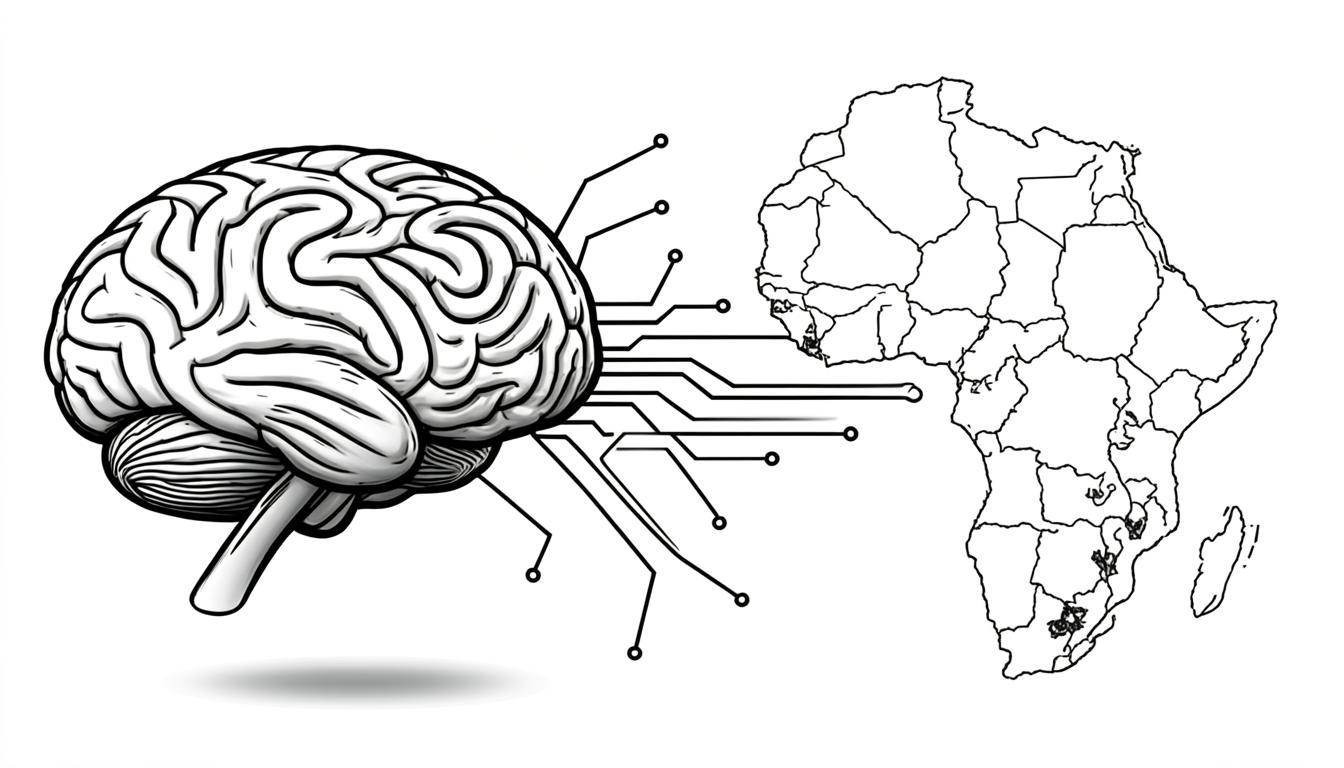
Cyber threats targeting African businesses have increased significantly in recent years. Namibia, with its growing digital economy and developing cybersecurity infrastructure, presents an attractive target for threat actors.
Understanding the threat landscape is the first step toward effective defense:
Ransomware Attacks
Ransomware has emerged as one of the most disruptive threats to African organizations. These attacks encrypt business data and demand payment for decryption keys.
Why African businesses are particularly vulnerable:
- Limited Backup Infrastructure: Many organizations lack robust backup systems, making them more likely to pay ransoms.
- Insurance Gaps: Cybersecurity insurance remains uncommon, eliminating one potential recovery path.
- Skill Shortages: Limited local cybersecurity expertise delays detection and response.
Real-world impact: A ransomware attack can halt operations entirely, with costs extending far beyond any ransom payment—including business interruption, customer notification, reputation damage, and recovery expenses.
Phishing Campaigns
Email-based attacks increasingly target African organizations, often impersonating local entities:
- Bank communications requesting credential verification
- Government agency notices requiring immediate action
- Business partner requests for payment detail changes
- Service provider alerts requiring password resets
These attacks exploit trust relationships and urgency to bypass normal caution.
Supply Chain Attacks
Rather than attacking well-defended primary targets, threat actors compromise vendors and service providers to reach larger organizations:
- Software supply chain compromises
- Vendor credential theft
- Third-party service manipulation
- Partner system infiltration
Mobile Threats
Given the mobile-first nature of African internet usage, mobile-specific threats are significant:
- Malicious applications masquerading as legitimate tools
- SMS-based phishing (smishing)
- Mobile banking trojans
- Unsecured public WiFi interception
Understanding Data Sovereignty
Data sovereignty—the requirement that certain data remain within specific geographic boundaries—has become a critical concern for Namibian businesses:
Regulatory Environment
Namibia's developing data protection framework follows patterns established by:
South Africa's POPIA (Protection of Personal Information Act): Our neighbor's comprehensive data protection legislation provides a model for Namibian requirements.
EU's GDPR: Global standards influence local expectations, especially for businesses serving international clients.
Sector-Specific Requirements: Financial services, healthcare, and government have additional data handling requirements.
Cross-Border Data Flows
International cloud services may store or process data outside Namibia:
- Storage Location: Where is data physically stored?
- Processing Location: Where are computations performed?
- Backup Location: Where are data backups maintained?
- Access Controls: Who can access data from where?
These questions matter for compliance and for risk management. Data stored in jurisdictions with different legal frameworks may be subject to access by foreign governments.
Corporate Requirements
Increasingly, corporate procurement policies require demonstrable data handling compliance from vendors. If you're seeking contracts with larger organizations, expect questions about:
- Data storage locations
- Security certifications
- Incident response capabilities
- Compliance documentation
Common Vulnerabilities in Local Business Websites
Our security assessments of Namibian business websites reveal consistent patterns of vulnerability:
Outdated Software
WordPress installations and plugins frequently run outdated versions containing known vulnerabilities:
The Problem: Update notifications are often ignored due to:
- Fear of breaking existing functionality
- Lack of technical expertise
- "If it works, don't touch it" mentality
- Website developer no longer available
The Risk: Automated scanning tools continuously search for outdated installations. Once discovered, exploitation is trivial using publicly available techniques.
Weak Credentials
Simple passwords and default credentials provide easy attack vectors:
- Admin accounts with "password123" or company name
- Default database credentials never changed
- Shared credentials across multiple services
- No multi-factor authentication enabled
Insufficient Backups
Many businesses lack functional backup systems:
- Backups exist but have never been tested
- Backup storage is on the same server as the primary site
- Backup credentials are the same as primary credentials
- Backup frequency doesn't match data change rate
The result: when disaster strikes, "backups" prove useless.
Unencrypted Connections
Lack of SSL certificates exposes data in transit:
- Login credentials transmitted in plain text
- Form submissions readable by intermediaries
- Browser security warnings deter users
- SEO penalties from search engines
Third-Party Risks
Embedded scripts and external dependencies can introduce vulnerabilities:
- Analytics scripts from compromised providers
- Chat widgets with security vulnerabilities
- Advertising networks serving malicious content
- Social media integration with excessive permissions
AI-Powered Threat Detection
Modern cybersecurity increasingly leverages AI for threat detection and response:
Behavioral Analysis
AI systems identify anomalous patterns indicating compromise:
- Unusual login times or locations
- Abnormal data access patterns
- Unexpected file modifications
- Irregular network traffic
These systems learn normal behavior and flag deviations that human monitoring might miss.
Predictive Threat Intelligence
Machine learning models predict emerging threats:
- Analysis of global attack patterns
- Identification of targeting trends
- Prediction of vulnerability exploitation
- Early warning for emerging attack techniques
Automated Response
AI enables rapid threat containment:
- Immediate isolation of compromised systems
- Automatic credential revocation
- Traffic blocking for malicious sources
- Real-time alert escalation
For Namibian businesses without dedicated security teams, AI-powered security tools provide protection that would otherwise require significant human resources.
Building a Security Framework
Effective security requires systematic approaches. Key elements include:
Assessment
Security Audits: Regular assessments of systems, processes, and controls.
Penetration Testing: Simulated attacks to identify vulnerabilities before adversaries do.
Risk Assessment: Identification and prioritization of security risks based on likelihood and impact.
Prevention
Software Updates: Prompt patching of known vulnerabilities.
Access Controls: Principle of least privilege—users have only necessary access.
Encryption: Data encrypted at rest and in transit.
Multi-Factor Authentication: Additional verification beyond passwords.
Network Segmentation: Limiting lateral movement if breach occurs.
Detection
Logging and Monitoring: Comprehensive logging with active monitoring.
Intrusion Detection: Tools to identify unauthorized access attempts.
Anomaly Detection: AI-powered identification of unusual activity.
Response
Incident Response Plan: Documented procedures for security incidents.
Communication Protocols: How to notify affected parties.
Recovery Procedures: How to restore normal operations.
Post-Incident Analysis: Learning from incidents to prevent recurrence.
Training
Security Awareness: Regular training on recognizing threats.
Phishing Simulations: Testing and reinforcing awareness.
Secure Development: Training for technical staff on security practices.
Practical Steps for Namibian Businesses
You don't need enterprise budgets to improve security:
- 1.Enable Multi-Factor Authentication on all critical accounts—email, hosting, financial services.
- 1.Update Everything—websites, applications, operating systems. Establish update schedules.
- 1.Implement Backups with tested restoration procedures. Store backups separately from primary systems.
- 1.Add SSL Certificates to all websites. Let's Encrypt provides free options.
- 1.Review Access Controls—who has access to what? Remove unnecessary privileges.
- 1.Train Staff on recognizing phishing and other common threats.
- 1.Document Procedures for incident response. When something goes wrong, you'll be glad you planned ahead.
Partner for Protection
For most Namibian businesses, cybersecurity isn't a core competency. Partnering with specialists provides:
- Expertise you can't afford to develop internally
- Monitoring around the clock
- Response capabilities when incidents occur
- Staying Current as threats evolve
The cost of partnership is far less than the cost of a serious breach.
Ready to strengthen your security posture? Let's assess your current situation and develop a practical roadmap for improvement.