
The State of AI in Namibia
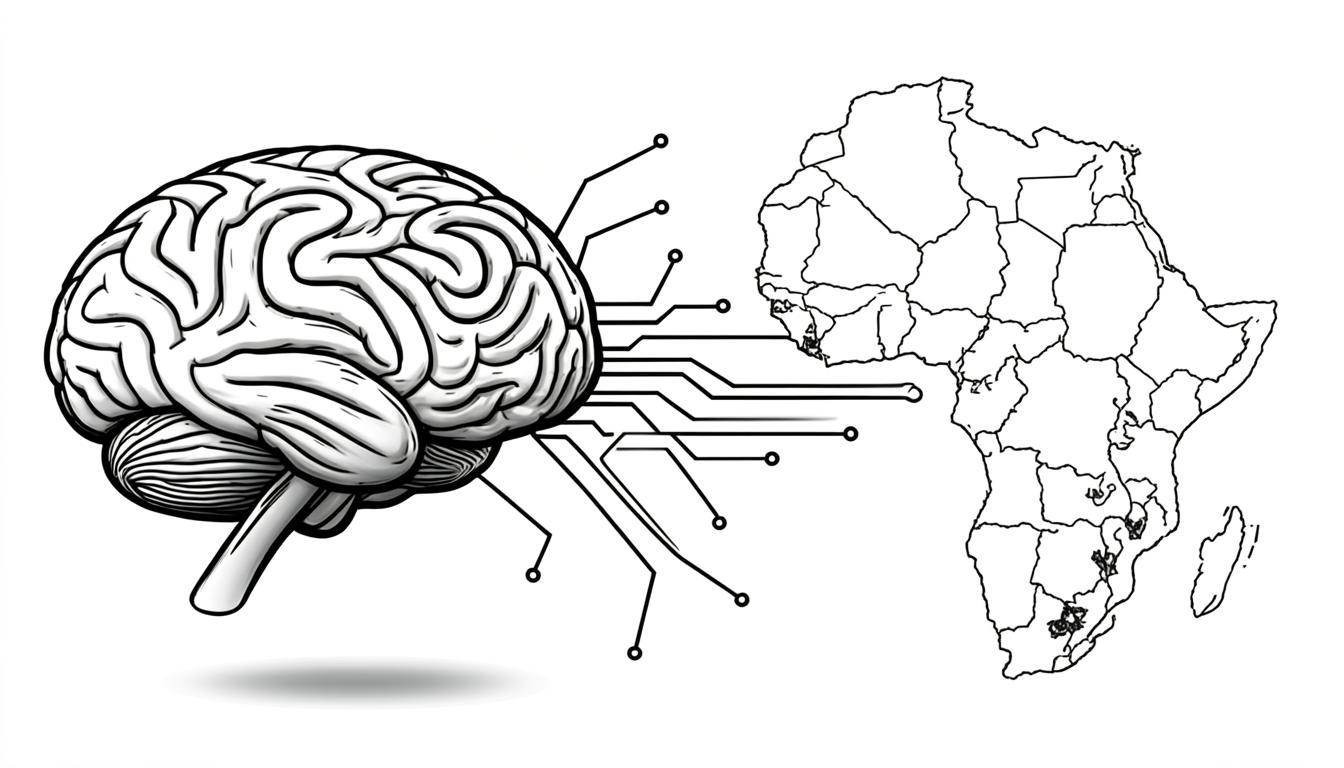
The technological landscape in Namibia is undergoing a quiet revolution. While we may not be at the global forefront of AI adoption, significant opportunities exist for forward-thinking businesses ready to embrace these technologies. The perception that AI is only for large corporations is rapidly becoming outdated.
Namibia's unique position in the SADC region, combined with our growing digital infrastructure, creates fertile ground for AI implementation. The question is no longer whether AI will impact Namibian business—it's whether you'll be prepared when it does.
Three Sectors Ripe for AI Disruption
Agriculture: Predictive Analytics for Challenging Climates
Namibia's agricultural sector faces unique challenges—unpredictable rainfall, drought conditions, and vast distances to markets. AI-powered solutions are already transforming how we approach these challenges:
Predictive Analytics: AI systems can analyze satellite imagery, weather patterns, and historical data to predict drought conditions months in advance. This enables farmers to make informed decisions about planting schedules, water allocation, and livestock management.
Livestock Management: Smart monitoring systems using computer vision can detect early signs of disease in cattle herds, reducing mortality rates and veterinary costs. Market price optimization algorithms help farmers time their sales for maximum profit.
Precision Agriculture: IoT sensors combined with AI analysis enable precise irrigation and fertilizer application, reducing costs while improving yields in our water-scarce environment.
Tourism: Enhancing the Visitor Experience
Tourism remains a cornerstone of Namibia's economy. AI offers powerful tools to enhance every touchpoint of the visitor journey:
24/7 Customer Engagement: AI chatbots can handle inquiries in multiple languages—English, German, Afrikaans—providing instant responses about safari packages, accommodation availability, and travel requirements. This is particularly valuable for international visitors in different time zones.
Personalized Recommendations: Machine learning algorithms can analyze visitor preferences and behavior to suggest tailored safari packages, from Etosha wildlife experiences to Sossusvlei desert adventures.
Revenue Optimization: Dynamic pricing systems adjust rates based on demand forecasting, special events, and seasonal patterns, maximizing occupancy and revenue.
Logistics and Transportation: Mastering the Distance Challenge
Namibia's vast distances create unique logistics challenges. AI is transforming how we move goods across the country:
Route Optimization: Fleet management AI analyzes road conditions, fuel costs, delivery windows, and traffic patterns to determine optimal routes. For businesses delivering from Windhoek to distant towns like Katima Mulilo or Lüderitz, this translates to significant cost savings.
Supply Chain Prediction: Machine learning models predict inventory needs based on seasonal patterns, market trends, and consumption data, preventing costly stockouts or overstocking.
Predictive Maintenance: AI monitors vehicle diagnostics to predict maintenance needs before breakdowns occur, reducing downtime and repair costs.
Overcoming Local Challenges
Data Sovereignty Concerns
Many Namibian businesses legitimately worry about storing sensitive data on servers outside the country. This concern is valid and should be taken seriously. Local AI solutions, such as Nangula AI, address these concerns by processing data within regional boundaries. When evaluating AI vendors, ask specific questions about data storage locations, processing regions, and compliance with Namibian regulations.
Connectivity Considerations
Internet reliability varies significantly across Namibia. While Windhoek enjoys relatively stable connectivity, rural areas face infrastructure challenges. Modern AI solutions address this through:
Edge Computing: Processing data locally on devices rather than in distant cloud servers, enabling AI functionality even with intermittent connectivity.
Offline-Capable Systems: AI tools designed for African markets can queue requests and sync when connectivity is restored, ensuring continuous operation.
The Skills Gap
Namibia faces a shortage of AI technical talent. This reality requires a different approach—partnership with experienced consultants who can implement and manage solutions. Look for partners who offer:
- Comprehensive implementation support
- Training for your team
- Ongoing maintenance and optimization
- Clear documentation and knowledge transfer
Case Study: Windhoek Law Firm
A mid-sized Windhoek law firm recently implemented AI for document review and contract analysis. The results demonstrate AI's practical value in professional services:
Implementation: The firm deployed an AI system trained on Namibian contract law to analyze legal documents, identify key clauses, and flag potential issues.
Results:
- 70% reduction in document review time
- Savings of approximately N$500,000 annually in billable hours
- Improved accuracy in identifying critical contract provisions
- Faster turnaround for clients, improving satisfaction and referrals
The key to success was not attempting to replace lawyers but augmenting their capabilities. Junior associates now focus on higher-value tasks while AI handles initial document screening.
The Path Forward
AI adoption is no longer optional for businesses seeking competitive advantage. Those who delay risk falling behind competitors who embrace these technologies today.
Start with Assessment: Identify processes that consume significant time or resources. These are prime candidates for AI optimization.
Begin with Pilot Projects: Don't attempt to transform everything at once. Start with a single use case, measure results, and expand based on proven value.
Partner Wisely: Choose implementation partners who understand both AI technology and the Namibian business context. Local knowledge matters.
Invest in Training: Ensure your team understands how to work alongside AI tools. Technology is only as effective as the people using it.
The AI revolution in Namibia isn't coming—it's already here. The question is whether your business will be among those leading the transformation or struggling to catch up.