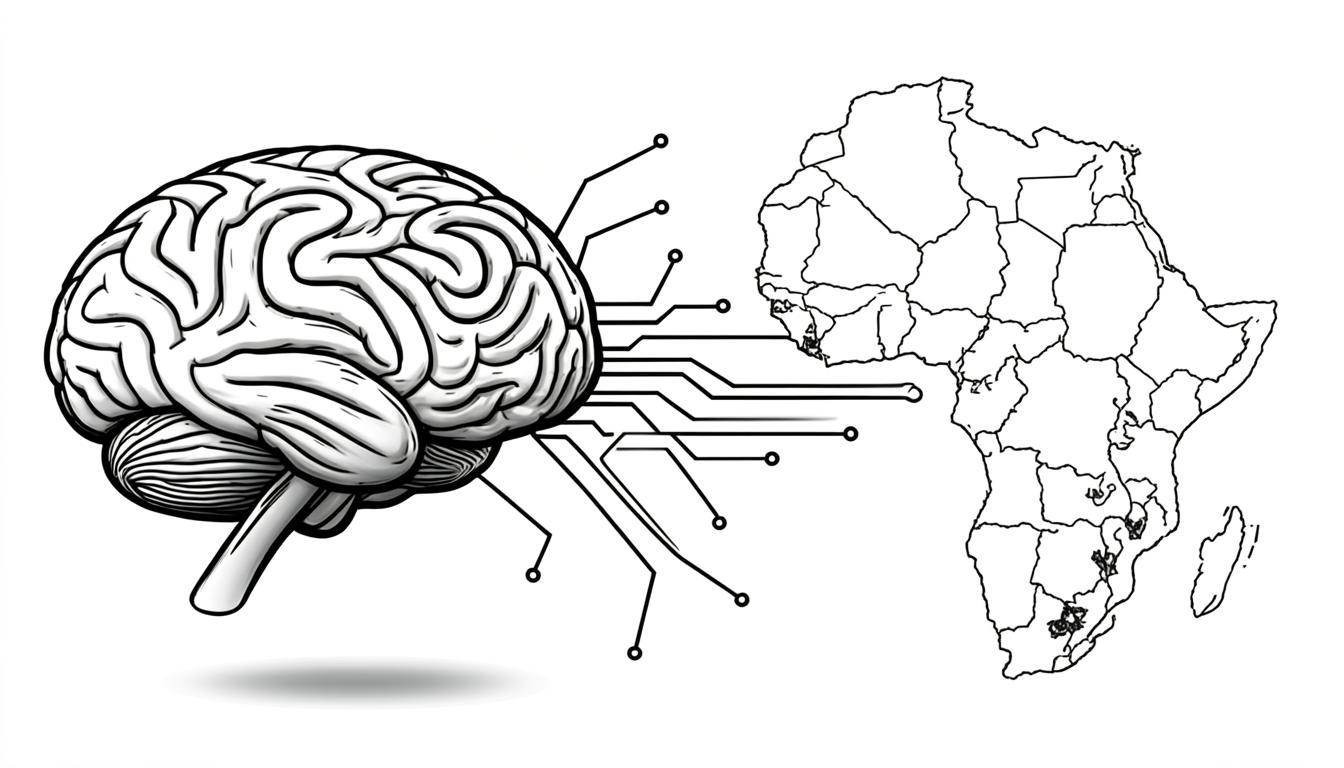


The Acceleration Continues
Technology adoption in Namibia and the broader SADC region shows no signs of slowing. If anything, the pace is accelerating, driven by:
- Increasing smartphone penetration and mobile data access
- Growing consumer comfort with digital services
- Infrastructure investments enabling connectivity
- Competitive pressure pushing businesses to modernize
- Young, digitally-native population entering the workforce
For Namibian business leaders, understanding these trends isn't about chasing every new technology—it's about identifying which developments create genuine opportunity for your specific context and preparing accordingly.
Trend 1: AI Becomes Standard, Not Exceptional
Artificial intelligence transitions in 2025 from competitive advantage to operational requirement.
Mainstreaming AI
AI capabilities once available only to large enterprises become accessible to SMEs through as-a-service models. The barriers that previously made AI impractical for smaller businesses—technical complexity, infrastructure requirements, specialized talent—are eroding:
- No-Code AI Tools: Platforms enabling non-technical users to implement AI solutions
- Pre-trained Models: Ready-to-use AI capabilities for common business functions
- Local Solutions: Regionally-developed AI like Nangula AI that understand local context
Practical Applications Beyond Novelty
The focus shifts from "we should use AI" to specific, practical applications:
- Customer Service: AI handling routine inquiries, qualifying leads, and providing 24/7 presence
- Operations: Predictive maintenance, demand forecasting, and process optimization
- Finance: Fraud detection, automated reconciliation, and cash flow prediction
- Marketing: Personalization, content generation, and campaign optimization
Implementation Acceleration
Reduced complexity and improved usability enable faster deployment. What once required months of development now deploys in weeks. Businesses no longer need in-house AI expertise to benefit—they need knowledgeable partners who can implement effectively.
Strategic Implication: If you haven't begun exploring AI applications for your business, you're falling behind. Start with consultation to identify highest-impact opportunities.
Trend 2: 5G and IoT Transformation
5G rollout, while gradual in Namibia, enables transformative IoT applications in key industries.
Mining Sector Applications
Namibia's mining industry stands to benefit significantly:
- Real-Time Monitoring: Continuous sensor data from equipment and environments
- Autonomous Equipment: Remote-controlled and autonomous vehicles in mining operations
- Safety Systems: Instant alerts for hazardous conditions
- Predictive Maintenance: Equipment failures predicted and prevented
Early adopters gain competitive advantage through improved safety, reduced costs, and enhanced productivity.
Agricultural Innovation
Precision agriculture becomes viable at scale:
- Soil Monitoring: Sensors tracking moisture, nutrients, and conditions across fields
- Livestock Management: GPS tracking, health monitoring, and automated feeding
- Weather Intelligence: Hyperlocal forecasting and climate pattern analysis
- Supply Chain Traceability: Farm-to-consumer tracking for export markets
For Namibia's agricultural sector, these technologies address unique challenges of vast distances, water scarcity, and export requirements.
Smart City Development
Urban management applications mature:
- Traffic Management: Real-time optimization reducing congestion
- Utility Management: Smart metering and grid management
- Environmental Monitoring: Air quality, noise, and environmental tracking
- Public Safety: Enhanced surveillance and emergency response
Windhoek and other growing urban centers can leverage these technologies to improve service delivery and quality of life.
Strategic Implication: Assess infrastructure readiness and identify high-value IoT use cases for your industry. Partner with technology providers who understand local context.
Trend 3: Hybrid Work Infrastructure Maturity
Post-pandemic work patterns stabilize into sustainable hybrid models requiring sophisticated infrastructure.
Cloud Adoption Acceleration
Organizations move beyond ad-hoc pandemic solutions to comprehensive cloud strategies:
- Hybrid Cloud: Combining on-premises and cloud resources appropriately
- SaaS Optimization: Rationalizing software-as-a-service subscriptions
- Cloud Security: Implementing security designed for distributed environments
- Cost Management: Optimizing cloud spend through right-sizing and monitoring
Security Evolution
Zero-trust security models replace perimeter-based approaches:
- Identity-Centric Security: Authentication and authorization as primary controls
- Device Management: Securing endpoints regardless of location
- Data Protection: Ensuring data security across environments
- Continuous Verification: Ongoing validation rather than one-time access
Collaboration Enhancement
Advanced collaboration platforms integrate more deeply:
- Asynchronous Workflows: Tools supporting work across time zones
- Knowledge Management: Capturing and sharing institutional knowledge
- Virtual Presence: Improved video conferencing and virtual collaboration
- Project Integration: Seamless connection between collaboration and execution tools
Strategic Implication: Audit current remote work infrastructure. Invest in security, tools, and training that support sustainable hybrid work.
Trend 4: Hyper-Personalization in Customer Engagement
Advances in AI enable unprecedented personalization across customer journeys.
Behavioral Targeting
Machine learning models predict individual customer preferences:
- Next-Best-Action: Recommended products, services, or content based on individual patterns
- Churn Prediction: Identifying at-risk customers before they leave
- Lifetime Value Optimization: Strategies tailored to customer value segments
- Cross-Sell/Upsell: Personalized recommendations based on behavior patterns
Dynamic Content
Websites and communications adapt in real-time:
- Personalized Landing Pages: Content tailored to visitor source, history, and behavior
- Dynamic Pricing: Prices adjusted based on demand, customer segment, and market conditions
- Customized Communication: Marketing messages personalized to individual recipients
- Adaptive Experiences: Interfaces that change based on user patterns
Privacy-Conscious Personalization
Balancing personalization with privacy expectations:
- First-Party Data: Leveraging customer-provided information rather than third-party tracking
- Transparency: Clear communication about data use
- Control: Customer control over their data and preferences
- Compliance: Adherence to developing data protection requirements
Strategic Implication: Develop first-party data capabilities. Balance personalization with privacy. Test personalization incrementally while measuring impact.
Trend 5: Green Technology and Sustainable Computing
Sustainability becomes integral to technology strategy.
Energy Efficiency
Cloud providers and data centers prioritize renewable energy:
- Carbon Footprint Reduction: Technology choices that minimize environmental impact
- Efficient Infrastructure: Optimized systems reducing energy consumption
- Renewable Energy: Data centers powered by sustainable sources
For businesses, this means technology decisions increasingly carry sustainability implications.
Sustainable Technology Services
Environmental monitoring and management tools gain adoption:
- ESG Reporting: Technology supporting environmental, social, and governance reporting
- Carbon Tracking: Monitoring and reporting organizational carbon footprint
- Sustainable Operations: Tools enabling more sustainable business practices
Local Benefits
For tourism and export-focused businesses, sustainability credentials increasingly influence market access:
- Export Requirements: International markets requiring sustainability documentation
- Tourism Preferences: Visitors choosing environmentally-conscious providers
- Corporate Procurement: Large organizations requiring vendor sustainability practices
Strategic Implication: Integrate sustainability into technology decisions. Consider environmental impact in vendor selection. Prepare for increasing sustainability reporting requirements.
Strategic Implications for Namibian Businesses
Synthesizing these trends into actionable strategic guidance:
Immediate Actions (Next 3 Months)
Begin AI Exploration: Don't wait for perfect clarity. Start with assessment and pilot projects.
Audit Digital Infrastructure: Assess current capabilities against hybrid work and cloud requirements.
Review Customer Data Strategy: Ensure first-party data capabilities are solid.
Medium-Term Priorities (3-12 Months)
Develop AI Implementation Roadmap: Based on pilot results, plan broader AI adoption.
Assess IoT Opportunities: Identify high-value IoT use cases for your industry.
Implement Personalization Testing: Begin testing personalized customer experiences.
Long-Term Positioning (12+ Months)
Build AI Capabilities: Develop or acquire AI expertise for competitive advantage.
Plan IoT Infrastructure: Prepare for IoT opportunities as connectivity improves.
Embed Sustainability: Make sustainability integral to technology strategy.
The Opportunity
These trends aren't threats—they're opportunities. Namibian businesses that embrace these developments position themselves for competitive advantage. Those that delay risk falling behind.
The difference between leaders and laggards is often timing. Understanding trends early, preparing thoughtfully, and acting decisively creates advantage.
Preparing for Tomorrow, Today
The technology landscape in Namibia offers tremendous opportunity for businesses willing to engage thoughtfully. You don't need to adopt every trend—you need to understand which developments matter for your context and prepare accordingly.
At Gemsweb Digital, we help businesses navigate these decisions, separating genuine opportunity from hype, and building practical roadmaps for technology adoption.
Ready to prepare for tomorrow? Let's discuss your technology strategy.