
The N$5,000 Website Trap
Many Namibian businesses start their digital journey with a simple calculation: find the cheapest website possible. A quick search reveals WordPress themes for under N$5,000, promising professional results with minimal investment. This initial attraction is understandable—budget constraints are real, and the difference between N$5,000 and N$50,000 for a custom site seems impossible to justify.
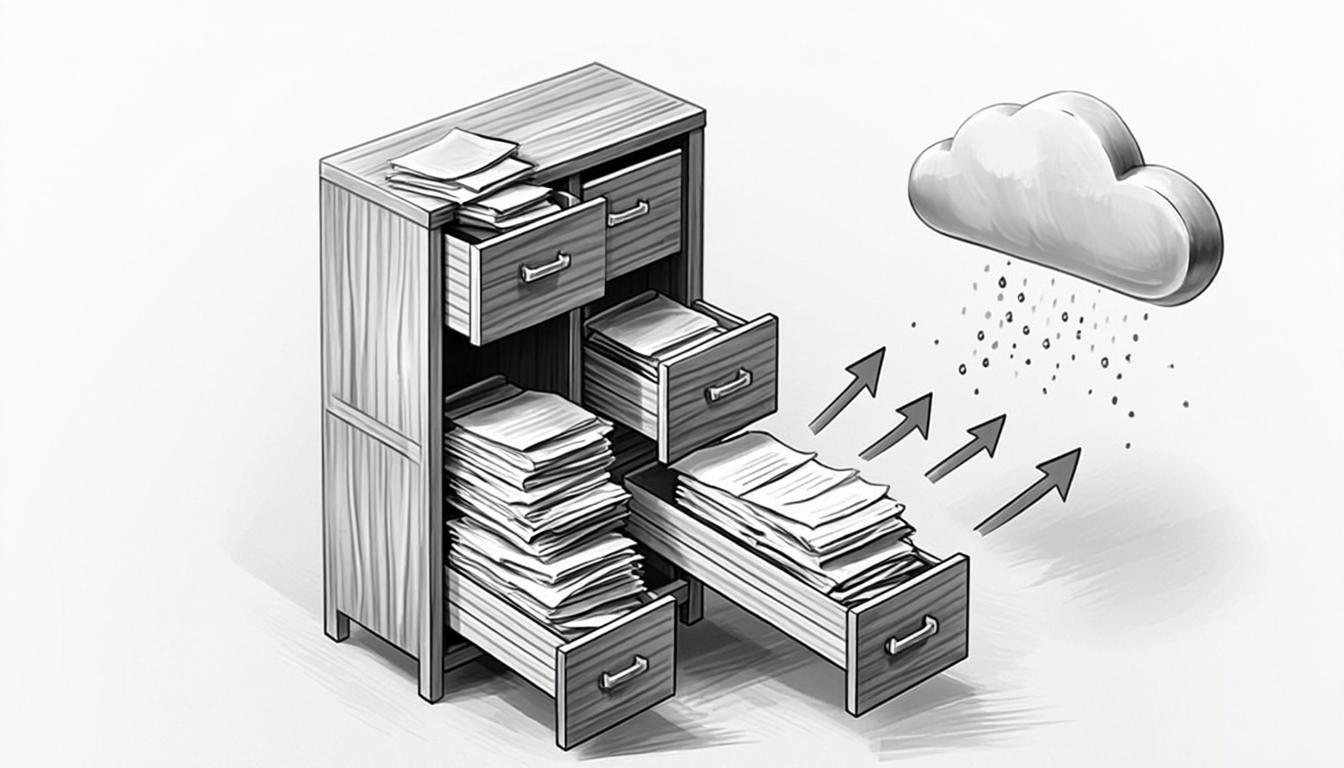
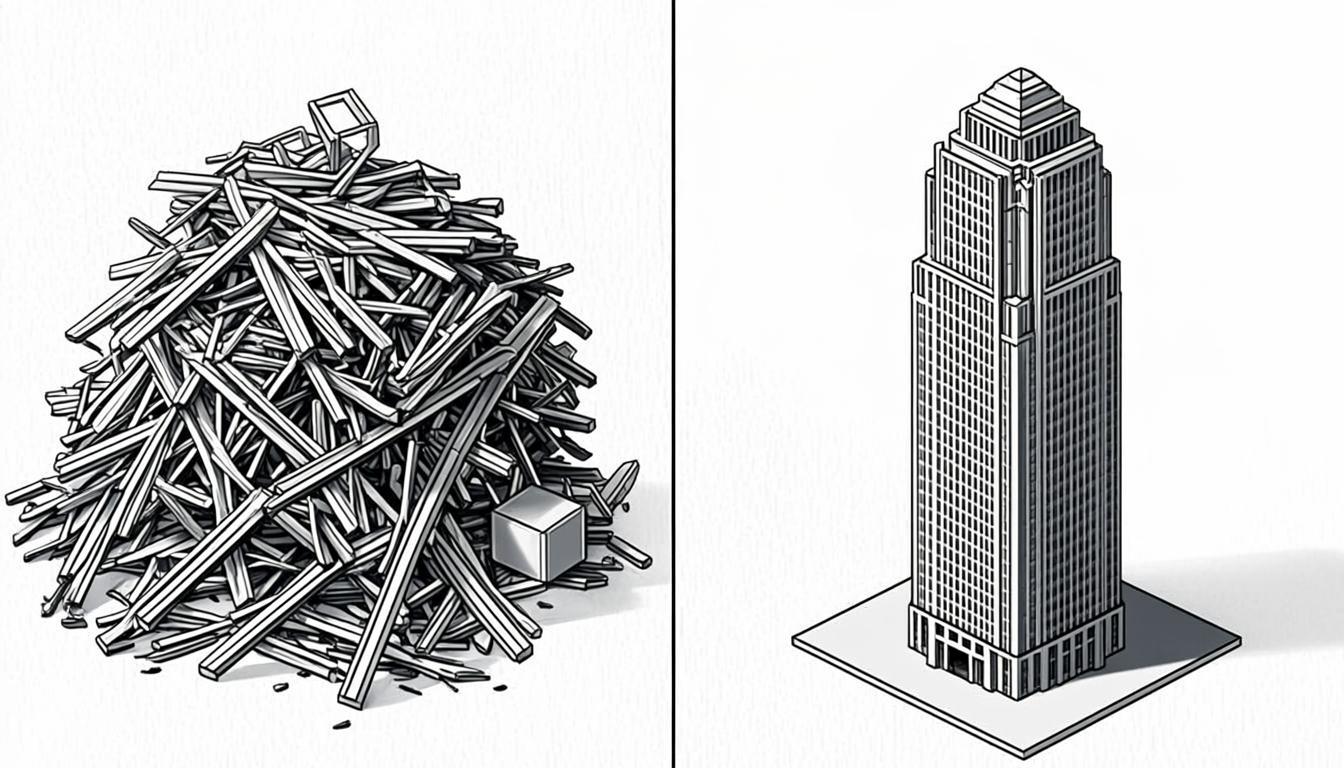
What these businesses discover, often after months of frustration, is that template-based development carries hidden costs that multiply over time. The N$5,000 website becomes a N$100,000 problem when it fails to integrate with business systems, gets hacked, or simply cannot support the company's growth.
Understanding total cost of ownership (TCO) transforms how we evaluate web development investments. The upfront cost is merely the entry point; the real calculation must include ongoing maintenance, lost opportunities, security risks, and the eventual cost of replacement when the template no longer serves your needs.
Performance and SEO Implications
Page Speed: The Silent Conversion Killer
Template-based sites load bloated code. They include features you'll never use, styles for elements you don't need, and scripts for functionality irrelevant to your business. In ideal conditions—fast fiber internet, modern devices—this bloat might be tolerable. Namibia's connectivity environment offers no such luxury.
Mobile internet speeds vary dramatically across the country. A user in Windhoek might enjoy 4G speeds, while someone in a rural area struggles with 2G connectivity. Every unnecessary kilobyte your site loads extends the wait time for these users.
Research consistently shows that load time directly impacts conversion rates. A one-second delay can reduce conversions by 7%. For a business generating N$100,000 monthly in online revenue, that one-second delay costs N$7,000 per month—N$84,000 annually.
Custom sites load only necessary code. We've achieved sub-2-second load times for Namibian businesses even on standard mobile connections. This isn't about having the fastest site—it's about having a site that actually works for your customers.
Search Engine Visibility
Google.com.na and international search engines penalize slow sites. But speed is only part of the SEO problem with templates.
Many templates are used by thousands of websites worldwide. Search engines encounter identical code structures, duplicate content patterns, and similar user experiences across these sites. This sameness dilutes search authority—your site becomes one of many rather than a unique destination.
Custom sites have clean codebases optimized for search visibility from launch. Every page, every element, every piece of content is designed to support your specific SEO strategy.
Mobile Experience: Where Namibian Users Live
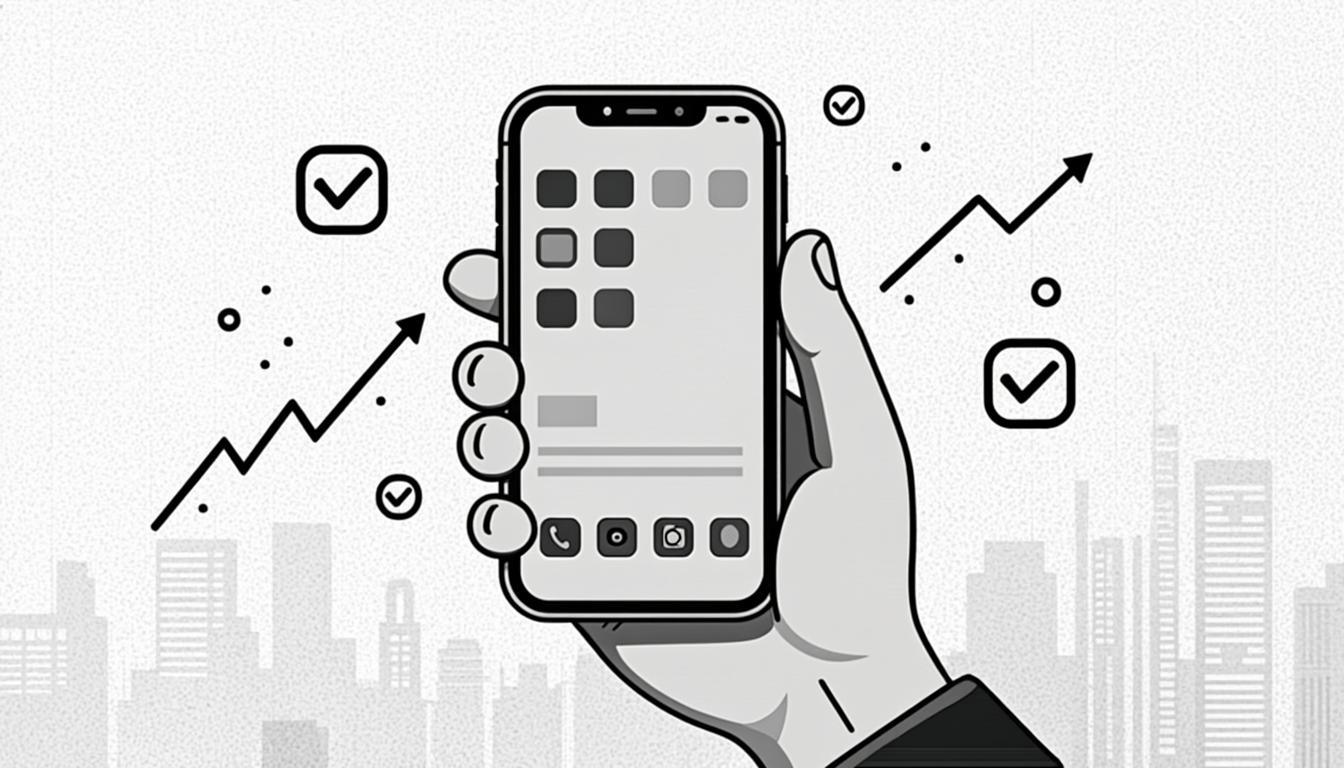
Namibian users are predominantly mobile-first. They access websites primarily through smartphone devices, often while multitasking or in challenging network conditions.
Many templates were designed for desktop-first usage, with mobile as an afterthought. Navigation becomes awkward on small screens, forms are difficult to complete, and essential information requires excessive scrolling or pinching.
Custom development implements mobile-first principles from the foundation. Every interaction is designed for touch, every element sized for visibility, every workflow streamlined for mobile users.
Security Vulnerabilities
The Target on WordPress's Back
WordPress powers approximately 40% of all websites globally. This popularity makes it an attractive target for automated attacks. Cybercriminals develop tools that scan for WordPress installations, identify vulnerable plugins, and exploit security gaps at scale.
For Namibian businesses, this creates particular risk. Many organizations lack dedicated IT security teams. A security breach might go undetected for weeks or months, potentially exposing customer data, damaging reputation, and creating legal liability.
The Plugin Problem
WordPress's flexibility comes from plugins—third-party add-ons that extend functionality. Each plugin represents potential security risk:
- Varying Quality: Plugin developers range from security-conscious professionals to hobbyists with minimal testing
- Abandoned Plugins: Developers sometimes stop maintaining plugins, leaving known vulnerabilities unpatched
- Compatibility Issues: Plugin conflicts can create unexpected security gaps
Custom development eliminates these attack surfaces by including only necessary functionality without external dependencies. You control your security posture rather than trusting third parties.
Scalability and Integration
The Integration Challenge
Growing businesses require websites that connect with other systems—CRM platforms, payment gateways, inventory management, marketing automation. These integrations are often where template sites hit their hardest limits.
We've encountered numerous Namibian businesses who invested heavily in template sites, only to discover that integrating local payment gateways like PayPulse or DPO required expensive custom development anyway. The "cost-saving" template became a costly constraint.
Custom development implements API-first architecture. Your site becomes a flexible platform capable of connecting with current and future business systems without fundamental reconstruction.
Local Payment Integration
Namibian e-commerce requires integration with local payment processors. International platforms often struggle with:
- Local bank integrations
- Mobile money services popular with Namibian consumers
- Multi-currency support for tourism businesses
- Compliance with Namibian banking regulations
Custom solutions handle these requirements natively, rather than through fragile plugin workarounds.
The Gemsweb Approach: Built for Growth
At Gemsweb Digital, we've developed a methodology specifically for African business requirements:
Technology Stack: We use the MERN stack (MongoDB, Express, React, Node.js) for custom development. This modern technology provides:
- Superior performance compared to traditional CMS platforms
- Scalability from startup to enterprise without platform changes
- Flexibility to build exactly what your business needs
- Strong security through modern development practices
Process: Every project begins with understanding your business—current operations, growth plans, integration needs. We design solutions that solve today's problems while accommodating tomorrow's growth.
Partnership: We don't just build and disappear. Our clients receive documentation, training, and ongoing support to ensure their digital assets continue delivering value.
Making the Investment Decision
Custom development isn't the right choice for every situation. A brand new business testing a concept might appropriately start with a simple template. But for businesses with proven models, growth ambitions, and customers expecting professional experiences, custom development is an investment rather than an expense.
The businesses we've helped migrate from templates consistently report:
- Improved conversion rates (often 2-3x improvement)
- Reduced ongoing maintenance costs
- Enhanced security and peace of mind
- Ability to implement features that templates couldn't support
- Better integration with business systems
These benefits compound over time. A template that saves money today becomes increasingly expensive as your business grows beyond its constraints.
Next Steps
If your business has outgrown its template, or you're planning a new digital presence and want to build it right from the start, let's talk. We offer free initial consultations to understand your needs and provide honest assessment of your options.